
In a milestone demonstrating the maturity of commercial spaceflight, SpaceX reached its 500th orbital mission using flight-proven hardware early Monday, delivering a critical climate-monitoring satellite to orbit.
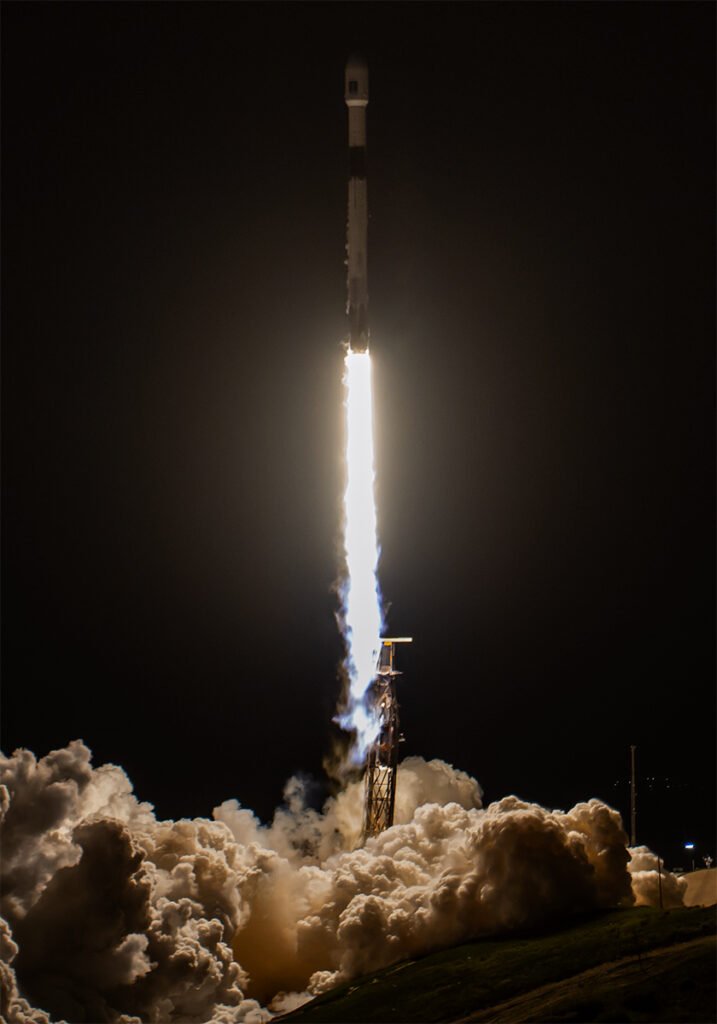
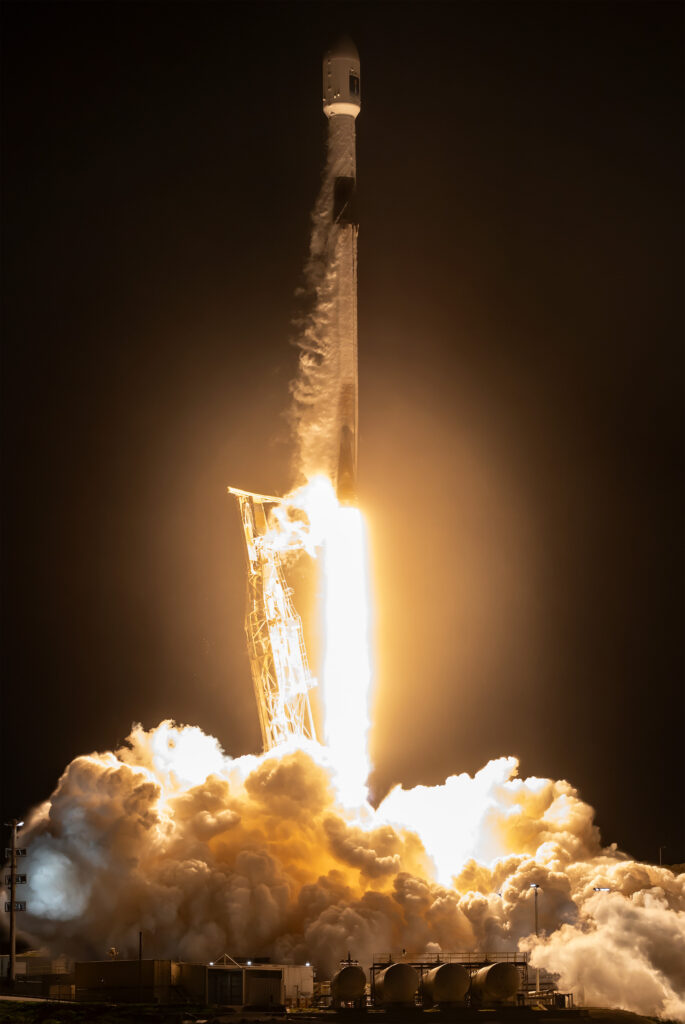
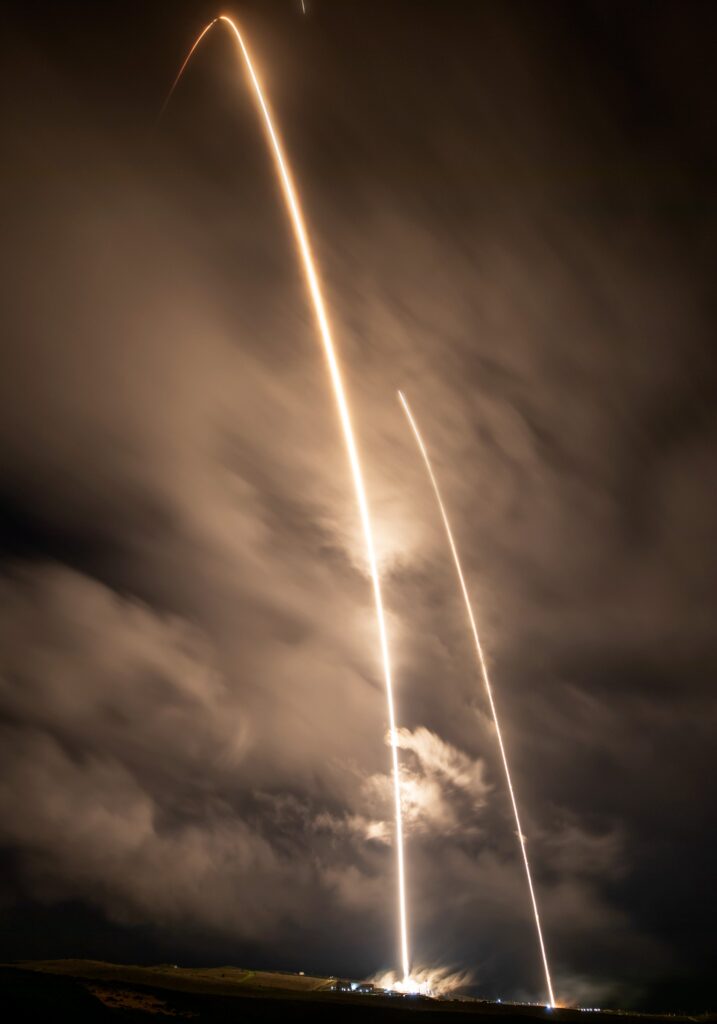
SpaceX launched the Sentinel-6B ocean-mapping satellite aboard a Falcon 9 rocket from Vandenberg Space Force Base in California at 12:21 a.m. EDT on November 17, 2025 (9:21 p.m. local time November 16). The mission marks a significant achievement in the commercial space industry’s shift toward reusability—a concept once considered economically unfeasible that has now become standard practice.
The Reusability Revolution
The 500-mission milestone represents more than a numerical achievement. It validates SpaceX’s fundamental business model: that rockets can and should fly multiple times, dramatically reducing the cost of space access. Company President Gwynne Shotwell emphasized this transformation, noting how reusable rocket technology is “paving the way to land huge amounts of cargo and lots of people to establish permanent human presence on the moon and beyond.”
Congratulations to the SpaceX team on completing 500 (!!!!) missions with flight-proven rocket boosters. You’ve made the impossible possible with reusable rockets, paving the way to land huge amounts of cargo and lots of people to establish permanent human presence on the Moon… https://t.co/BPXHHNw84u
— Gwynne Shotwell (@Gwynne_Shotwell) November 17, 2025
The Falcon 9 first stage used in Monday’s launch completed its third flight, having previously deployed Starlink satellites. Following stage separation, the booster executed a controlled return to Vandenberg approximately nine minutes after liftoff—a routine recovery that has become commonplace for SpaceX operations.
It’s worth noting that this milestone counts only orbital missions with reused boosters. SpaceX’s Starship vehicle, while conducting 11 test flights, doesn’t contribute to this tally as those missions have been suborbital demonstration flights.
Why Sentinel-6B Matters
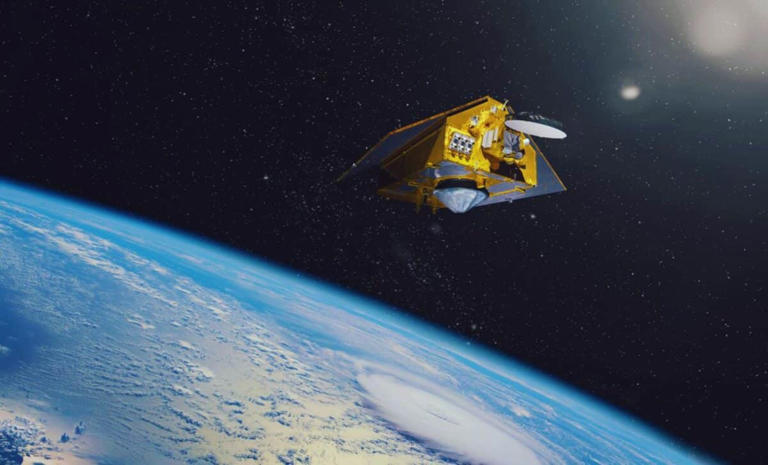
Beyond the launch provider’s achievement, the payload itself carries substantial scientific importance. Sentinel-6B joins the European Union’s Copernicus Earth observation program, specifically designed to continue decades of precise sea-level measurements from space.
The satellite carries sophisticated instruments including a European Space Agency-developed radar altimeter and a NASA-provided microwave radiometer. The radiometer’s role is particularly clever: by measuring atmospheric water content, it enables more accurate interpretation of the altimeter’s sea surface readings—eliminating atmospheric interference that could skew measurements.
According to ESA officials, Copernicus data reveals that global average ocean heights have risen nearly 10 centimeters (approximately 4 inches) over the past 25 years. The Sentinel-6 mission series has established itself as the “gold standard reference mission” for tracking this critical climate change indicator.
Operational Strategy
Sentinel-6B was deployed at an altitude of 1,322 kilometers (821 miles) roughly 57 minutes post-launch. The 1,440-kilogram (3,175-pound) satellite will now undergo systems validation before commencing operations.
During its first year, Sentinel-6B will operate alongside its predecessor, Sentinel 6 Michael Freilich (launched in November 2020), enabling cross-calibration between instruments—a methodical approach that enhances measurement precision and ensures continuity in the long-term climate data record.
This mission represents a collaborative international effort involving the European Commission, ESA, NASA, EUMETSAT, NOAA, and France’s CNES space agency—demonstrating how commercial launch capabilities now reliably serve complex multinational scientific programs.
Industry Implications
The 500-flight milestone underscores a broader transformation in spaceflight economics. What was once a disposable, extraordinarily expensive endeavor has evolved into a more sustainable model where hardware flies repeatedly. This operational cadence—enabled by reusability—has opened space access to a wider range of scientific, commercial, and governmental missions that might have previously faced prohibitive costs.
As SpaceX continues developing its fully reusable Starship system for deep-space missions, the lessons learned from 500 Falcon 9 reuse missions provide a foundation for even more ambitious goals, including establishing permanent human presence beyond Earth orbit.
More photos from the launch: